

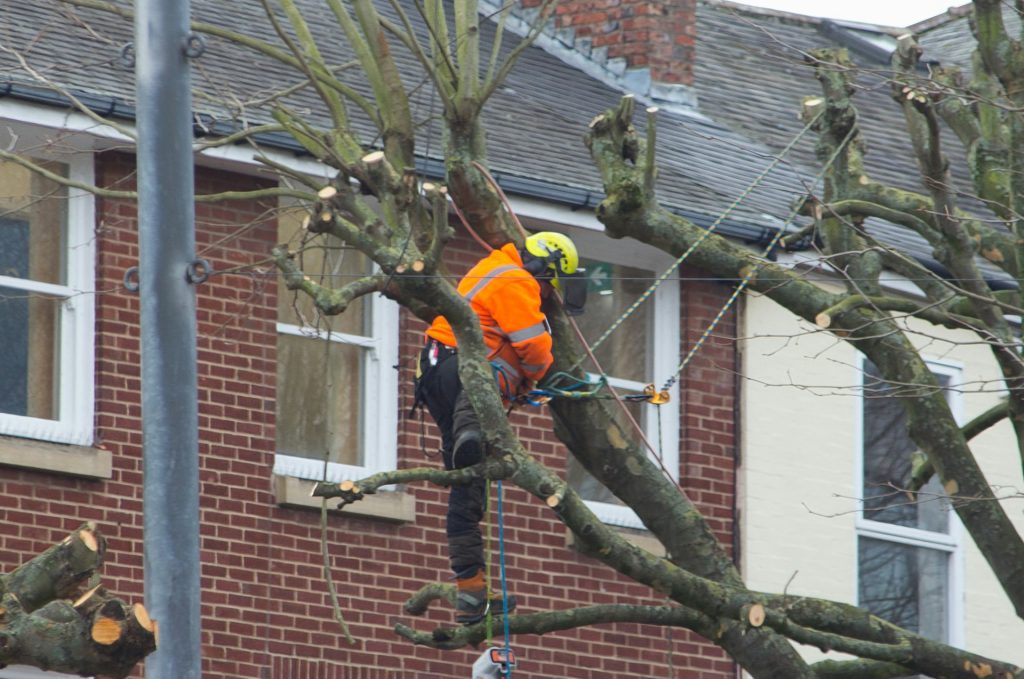
Spot Trouble Early to Protect Your Home and Trees
Waiting to think about tree removal until after a storm often means damaged roofs, smashed fences, and long calls with your insurance company. Many of the worst tree failures give warning signs long before a big limb comes down. The key is knowing what to look for and acting before the next heavy wind or wet snow hits.
A hazard tree is any tree with structural problems that could cause part or all of it to fail and hit people, buildings, vehicles, or power lines. It might still have green leaves and look “okay” from the street, but inside it is weak, cracked, or decayed. In Michigan, late summer is a smart time to walk your yard and check your trees so you can plan any needed work before fall storms arrive.
At Legend Tree Service, we help homeowners in places like Lapeer, Lake Orion, Clarkston, and Oxford spot these issues early. Our crew handles safe tree removal, trimming, stump grinding, planting, cabling, bracing, and emergency tree work when storms do hit. Catching problems now protects both the trees you love and the people and property underneath them.
Hidden Warning Signs Your Tree Is Becoming Dangerous
Many hazard trees do not look like a problem at first glance. They may leaf out every spring and grow new shoots, even while serious internal decay or root damage is getting worse. That is why a slow, careful look is so important.
In the canopy, watch for:
- Large dead branches high in the crown
- Thinning leaves near the top compared to lower branches
- Branches that cross and rub each other
- Sudden leaf drop or bare spots on one side of the tree
On the trunk and bark, red flags include:
- Long vertical cracks or fresh splits
- Bulges or swellings that look out of place
- Cavities or hollows where wood is missing
- Mushrooms or other fungal growth around the base
- Oozing sap, wet spots, or bark peeling away in sheets
At ground level, roots and soil can tell you a lot:
- Big surface roots lifting out of the soil
- Soil cracking or mounding on one side of the trunk
- A new lean combined with freshly exposed roots
- Standing water around the base after rain
Many Michigan yards add extra stress to trees. Recent construction, new patios or driveways, heavy equipment, or even constant parking on the lawn can crush roots. Overwatering, poor drainage, and strong winds across open fields or lakes can all weaken trees over time. When these stress factors stack up, a tree that once seemed solid can quickly become a hazard.
When a Leaning or Storm-Damaged Tree Must Come Down
Not every leaning tree is an emergency. Some trees grow at an angle from a young age and remain stable for years. What matters is whether the lean is new, changing, or linked to other warning signs.
A leaning tree is more likely to need tree removal when:
- The lean appeared suddenly after a storm or heavy winds
- The angle seems to be getting worse over days or weeks
- Soil is cracking or lifting on the side opposite the lean
- Roots are popping out of the ground or seem broken
Storm damage is another clear reason to take a hard look. After high winds, ice, or lightning, check for:
- Large broken limbs hanging high in the crown
- Deep bark tears or long fresh wounds on the trunk
- Vertical cracks running along the trunk
- A broken or missing treetop that leaves the tree “flat” on top
The closer a damaged or leaning tree is to your house, driveway, play-set, fence, shed, or neighbor’s property, the higher the risk. Trees near power lines are especially serious. Working around utilities is dangerous, and no one should attempt DIY tree removal in those situations. A professional team with the right training and equipment is the safer choice.
Repair Options Before You Choose Tree Removal
The good news is that not every hazard means a tree has to go. In many cases, careful pruning or support systems can make a tree safer and extend its life, especially if it provides shade or privacy you value.
Pruning can help by:
- Removing dead, dying, or diseased branches
- Getting rid of crossing or rubbing limbs
- Reducing weight on long, overextended branches
- Clearing branches away from roofs, sheds, and driveways
Cabling and bracing are other options. Steel cables placed high in the canopy can help support weak branch unions or multiple trunks, which are common in many landscape trees. Braces or rods can be used lower in the tree to tie split areas together and reduce movement during storms.
Soil and root care can also reduce stress:
- Improving drainage around the tree so roots are not waterlogged
- Reducing soil compaction from foot traffic or parking
- Fixing mulch “volcanoes” piled against the trunk
- Protecting roots and lower bark from lawn mowers and trimmers
There is a point where these measures are no longer enough. If decay is advanced, major roots are failed, or structural cracks are severe, keeping the tree can be unsafe. Hazardous tree removal should always be handled by an insured crew with proper equipment so you are not putting yourself, your family, or your neighbors at risk.
Seasonal Tree Safety Checklist for Late Summer in Michigan
Late summer, especially August, is a perfect time for a tree safety walk-through. Leaves are still on, so problems are easier to spot, and there is time to plan work before fall winds, heavy rains, and early snow events.
A simple yard inspection might look like this:
- Walk your whole property, including back corners and side yards
- Step back and look up at each tree from several angles
- Check trunks at eye level for cracks, cavities, or missing bark
- Look closely at the root zone for soil changes or lifting roots
Michigan weather adds a few extra things to watch. Saturated soil after long rains can loosen root systems. Strong winds coming across open fields or lakes can push tall trees hard, especially older maples, oaks, and pines that hold a lot of foliage into fall storms. Any tree that already has defects will be more likely to fail.
If something looks off, take a few clear photos from different sides. Those pictures can help a tree care professional get an early idea of what is going on and whether the tree might need pruning, support, or removal. Setting up a regular late summer or early fall inspection every year is one of the easiest ways to catch problems when they are still small and easier to manage.
Call Legend Before the Next Storm Hits
You do not have to become a tree expert or try to diagnose every crack and lean on your own. That is what trained tree care crews are there for. A quick walk around your yard, a list of what worries you, and a professional visit can make a big difference in your safety and peace of mind.
Legend Tree Service provides hazard evaluations, pruning, cabling and bracing, safe tree removal, stump grinding, and emergency tree services for homeowners in communities like Lapeer, Lake Orion, Clarkston, Oxford, and nearby areas. Our local experience with Michigan tree species and soil conditions helps us spot risks early and choose the best plan for each tree. Recognizing hazard trees before the next storm means fewer surprises, safer families, and stronger, healthier trees where you live.
Get Started With Your Project Today
If you have a hazardous or unwanted tree, our team at Legend Tree Service is ready to help with safe, efficient tree removal tailored to your property. We will assess your situation, explain your options, and schedule work at a time that fits your needs. Reach out today through our contact page so we can protect your home, landscape, and peace of mind.