

Hidden Risks of DIY Tree Removal for Lapeer Homeowners
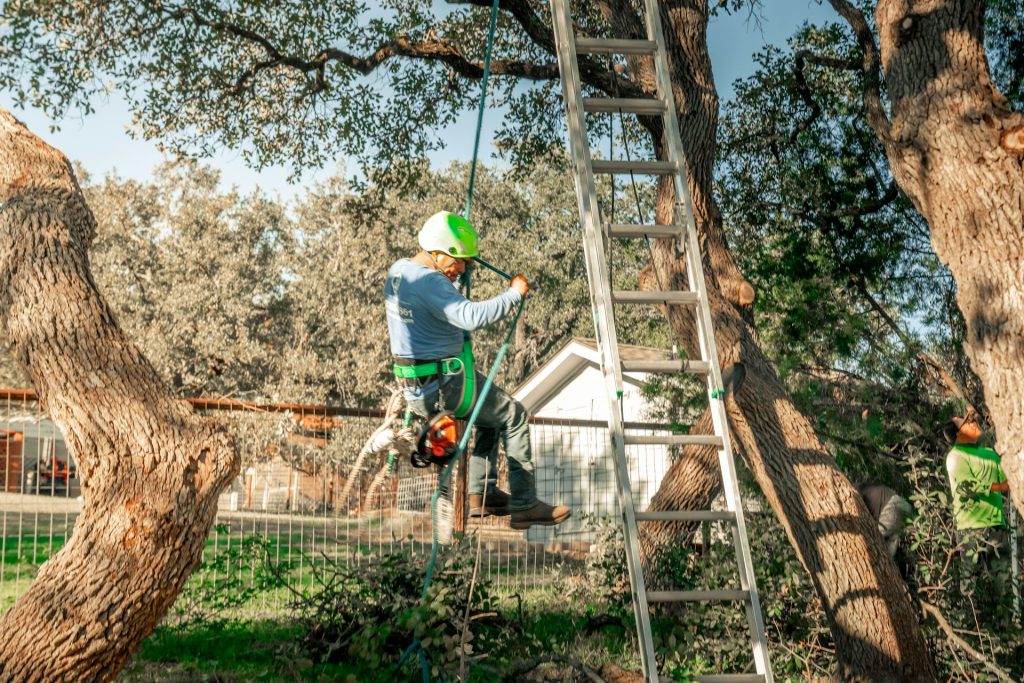
When Tree Removal Turns From Weekend Project to Emergency
Tree removal looks simple from the lawn. You see a dead or leaning tree, grab a chainsaw, and think a free weekend will take care of it. The trouble starts the moment that trunk begins to move. Once a tree shifts its weight, things happen fast, and you have very little control.
Many Lapeer homeowners start DIY tree removal with good intentions, then end up with crushed fences, torn-up roofs, broken sheds, or branches on power lines. Mature trees can weigh many tons, and they do not always fall where you expect. From the ground, it is easy to miss how tall they really are, how wide the canopy reaches, or how close branches hang over garages and wires.
In our area, tree removal is extra tricky. We have tall, older trees, heavy summer storms, soft ground after rain, and homes set close together. All of that raises the stakes. We want to walk through the hidden safety risks, the financial and legal surprises, and why working with trained tree pros for tree removal in Lapeer usually protects your home and wallet in the long run.
The Hidden Dangers You Cannot See From the Ground
From your driveway, a tree can look solid. On the inside, it can be a very different story. Internal decay changes how a tree will react to cuts, and those changes are hard for most homeowners to spot.
Common hidden issues include:
- Internal rot or hollow trunks
- Deep cracks that reach the center of the tree
- Weak branch unions where two big limbs grew tight together
- Dead sections that break apart without warning
When you cut into a trunk that is hollow or rotten, it may not support its own weight like you think. The tree can twist, split, or fall in a new direction halfway through the cut. That surprise is what causes so many DIY projects to spin out of control.
Roots and soil add another layer of risk. Around Lapeer, we see:
- Trees with roots cut by past digging or driveway work
- Saturated summer soil that lets roots slip instead of hold
- Shallow root systems on certain species
If the roots are weak, the whole tree can uproot and roll, instead of hinging and falling along your planned line. Even a small change at the base can swing the top of the tree many feet to one side.
There is also stored energy inside the wood. Branches and leaning trunks carry tension and compression. When cut the wrong way, a limb can:
- Snap back like a spring
- Kick out and hit the person holding the saw
- Drop and roll, pinning feet or legs
Certified arborists are trained to read these signs. We look at trunk flare, bark patterns, branch angles, lean, root zone, and nearby structures before touching a saw. We plan cuts and rigging so that energy is released in a controlled way, not all at once.
How DIY Tree Removal Can Cost You Thousands
Many people try DIY tree removal to save money. What they do not see are the hidden costs when something goes wrong. A small mistake with a tall tree can lead to major repairs.
Property damage is one of the biggest risks. A misjudged fall line can lead to:
- Roof damage, broken shingles, or smashed gutters
- Dented vehicles or damaged campers
- Crushed decks, sheds, swing sets, or fences
- Destroyed landscaping and lawn ruts from dropped wood
These repairs often cost far more than a safe, professional removal would have. And if a tree hits a structure at the wrong angle, it can even break framing or rafters.
Insurance can bring more surprises. A policy might not cover damage if:
- The work is judged careless or unsafe
- Local codes or permit rules were not followed
- The tree was clearly beyond your skill level to remove
Then there are the out-of-pocket expenses that add up even when nothing goes wrong. You may need to pay for:
- Chainsaw rental or purchase
- Ladders, ropes, or lifts
- Safety gear like helmets, chaps, and eye protection
- Fuel, bar oil, and disposal or dump fees
On top of that, there is your time. Planning, cutting, dragging limbs, chipping, and hauling wood can turn into multiple weekends of hard work. Many homeowners underestimate the stress of standing under a moving tree, hoping it does not go the wrong way.
Legal, Utility, and Neighbor Risks Many Homeowners Miss
Some of the most serious tree removal risks are not about the tree itself, but everything around it. Power lines, property lines, and local rules all matter.
Working near power lines is extremely dangerous. Wood, tools, or branches that touch a line can cause:
- Electrocution
- Power outages in your neighborhood
- Sparks and fire risk
Utility work often needs to be handled with the power company involved or by professionals trained for line clearance. A do-it-yourself approach in these spots is not just risky, it can be deadly.
There are also neighbor issues. If a tree or big limb falls onto the property next door, you may face:
- Fence and structure repair bills
- Damage to their landscaping or vehicles
- Strained relationships on your street
Even if everyone stays friendly, it is stressful to sort out who pays for what after a DIY project goes wrong.
Local rules matter too. Some nearby communities have:
- Rules on tree removal in certain zones
- Permits required for larger trees
- Protected or landmark trees
Removing the wrong tree without approval can mean fines or required replanting. Timing adds another challenge. Late summer often brings storms, gusty winds, and full, heavy leaves that catch the wind like sails. All of this makes it easier to misjudge how a tree will fall.
Why Certified Arborists Make Tree Removal Safer and Smarter
Certified arborists bring more than chainsaw skills. They study how trees grow, how they fail, and how to remove them safely in tight spaces. That knowledge matters a lot when a tall tree is close to a Lapeer home, garage, or driveway.
Professional crews bring:
- Rigging systems to lower limbs safely
- Cranes or lifts for hard-to-reach trees
- Personal protective gear for everyone on site
- Clear communication and hand signals between climbers and ground crew
Instead of cutting the whole tree at once, we often use controlled dismantling. That can include:
- Removing the tree in small sections from the top down
- Tying off limbs and lowering them with ropes
- Setting safe drop zones so nothing hits your roof, car, or garden
This kind of planned work is very different from one or two big cuts from the ground. It is designed to control where every piece of wood goes.
Professional service also includes the follow-through that DIY work rarely covers. We can handle:
- Brush and limb cleanup
- Stump grinding
- Log or debris haul-away
That means your yard is safer and easier to use when the job is done, with no unstable stumps or scattered limbs left as tripping hazards.
Smart Next Steps for Safer Tree Removal in Lapeer
So when is it time to skip DIY and call in a pro? As a simple rule, homeowners should not handle trees that are:
- Taller than the house
- Within falling distance of a structure or vehicle
- Close to or touching power lines
- Leaning, storm-damaged, or showing signs of internal decay
If you are unsure, it helps to prepare for a professional visit. You can:
- Take photos of the tree from different angles
- Note any changes over the last few seasons
- Write down what you have seen, such as dead branches, cracks, mushrooms at the base, or lifting roots
Late summer is a smart time to get trees checked before stronger winds and storms arrive. Finding weak or dangerous trees early can prevent those late-night emergency calls after a storm hits.
For Lapeer homeowners, safe tree removal is really about protecting what matters most, your family, your home, and your peace of mind. Legend Tree Service is here to help you make clear, safe choices so that a simple yard project never turns into an emergency.
Protect Your Property With Safe, Professional Tree Removal
If you are dealing with a hazardous or unwanted tree, our team at Legend Tree service is ready to help with expert tree removal in Lapeer tailored to your property’s needs. We carefully assess the situation, plan a safe removal, and clean up thoroughly so you can feel confident about your yard again. Reach out today through our contact page, and we will schedule a prompt assessment to get your project started.
Start Your Seasonal Tree Maintenance Today
Proactive tree care is an investment in the health and beauty of your property. Contact Legend Tree Services at info@legendtreeservices.com or call us at +1 23456 to schedule a consultation. Let us help you maintain your trees and enjoy a vibrant landscape year-round!