

Why Tree Cabling Matters for Storm Safety in Michigan Yards
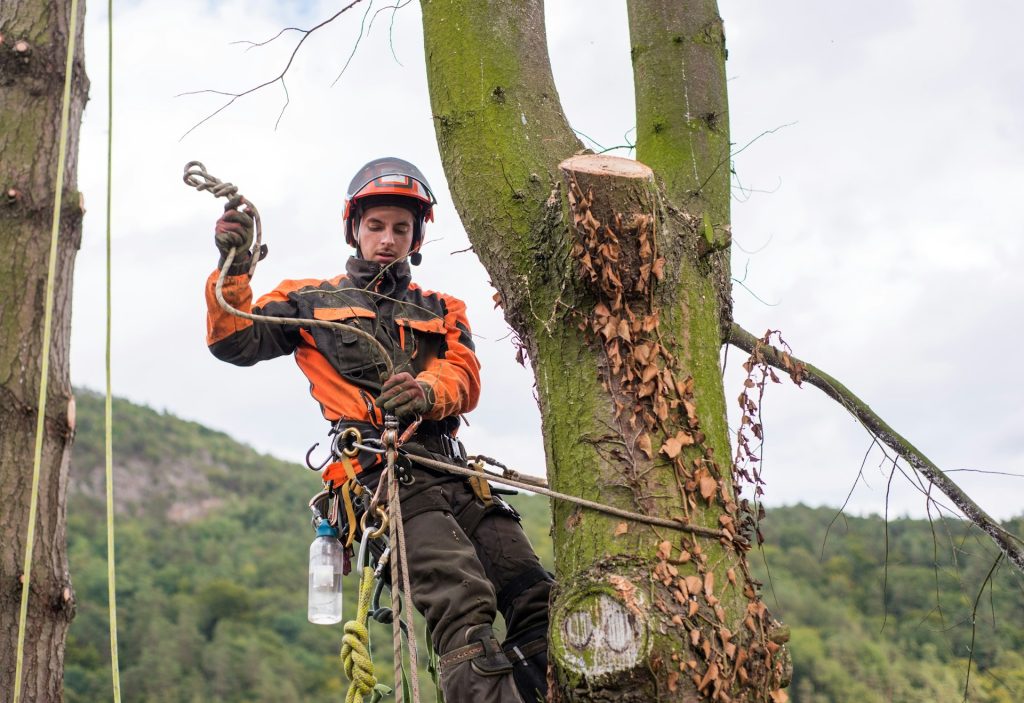
Protect Your Yard Before the Next Michigan Storm Hits
Tree cabling is one of the simplest ways to help your trees stand strong when storms roll through Michigan. Strong winds, soaked ground, and heavy rain can turn a normal afternoon into a messy, stressful day in your yard. Even a tree that looks healthy can fail once the weather starts pushing it past its limits.
Our storms do not always give much warning. One sudden gust is all it takes for a weak limb to snap onto a roof, a parked car, or a backyard deck. Taking preventative steps, like tree cabling and bracing, can lower the chance of emergency damage around your home, near power lines, or in your favorite outdoor spaces.
At Legend Tree Service, we work in Michigan yards every day, and we see how local weather, soil, and tree species all come together. In this guide, we want to explain how tree cabling works, when it makes sense, and how it fits into a bigger plan to keep your trees safer and stronger in storms.
How Michigan Storms Put Your Trees to the Test
Michigan storms can stress trees in several ways at the same time. High winds twist and pull branches in different directions. Fast-moving microbursts can hit one side of a tree harder than the other. Heavy rain can soak the soil so much that roots lose their normal grip and the whole tree can start to shift.
Here are some common storm stresses your trees may face:
- Strong gusts that whip large limbs back and forth
- Spinning winds that twist multiple stems against each other
- Waterlogged soil that makes tall trees more likely to lean or uproot
- Repeated storms over days or weeks that slowly weaken already stressed trees
When trees are put to this kind of test, we often see:
- Broken leaders at the top of the tree, which can ruin its shape
- Large branches snapping over roofs, driveways, and play areas
- Roots lifting on one side, sometimes leading to a full uproot
- Trunks or main limbs splitting where two stems grow close together
Some trees in Michigan yards are at higher risk than others. Trees we pay special attention to include:
- Older maples with big spreading crowns
- Multi-trunk ornamentals with tight angles where stems meet
- Any tree with past poor pruning or large unsealed cuts
- Trees planted too close to houses, garages, or power lines
For these trees, early structural support can make a big difference in storm safety and long-term health.
What Tree Cabling Is and When It Makes Sense
Tree cabling is a way to give a tree extra support from the inside out. We install high-strength steel cables high in the canopy, connecting weaker or separate branches to each other. This helps share the weight and stress between limbs instead of letting one area carry it all.
Tree cabling is often recommended when we see:
- Co-dominant stems, where two main trunks grow together without a strong attachment
- Large, heavy limbs hanging over a roof, driveway, patio, or play set
- Trees that have cracks where big branches meet the trunk
- Trees that lean or sway more than they should in normal winds
- Special or historic trees that a family wants to protect as long as possible
It is important to understand that cabling is not something to treat as a DIY project. The cable size, anchor placement, and height in the canopy all matter. If cables are installed in the wrong spot, they can damage bark and wood, or they can give a false sense of security while the tree still fails in a storm. A trained arborist knows how to check the structure of the whole tree so the support actually helps.
Storm Safety Benefits of Professional Tree Cabling
When cabling is done correctly, it works like a safety belt for your tree. It will not stop all movement, and it is not meant to. Trees still need to sway a bit; that is how they stay flexible and strong. Cables simply limit how far key branches can move, which helps prevent sudden breaks when wind and rain hit hard.
Professional tree cabling can:
- Reduce the chance of a major limb peeling away from the trunk
- Spread wind load across multiple branches, instead of one weak spot
- Help protect your roof, siding, gutters, and vehicles from falling limbs
- Lower the odds of emergency removals after a storm passes
From a homeowner’s point of view, that means more than just avoiding a mess. It helps protect:
- Family members who use the yard for play or relaxation
- Outdoor living areas like decks, patios, and fire pit spots
- Sheds, fences, and other structures under large limbs
When we look at a tree for possible cabling, we combine several things:
- Structural assessment, to see where the weak points really are
- Knowledge of the tree species, since some are more prone to splitting
- The tree’s role in your yard, including shade, privacy, and appearance
Our goal is to support both safety and long-term tree health, not to over-cable or leave hardware that does not make sense.
Beyond Cabling: Pruning, Bracing, and Ongoing Tree Care
Tree cabling works best as part of a bigger plan for storm-ready trees. Strong, well-shaped branches handle wind much better than tangled or overloaded ones. That is where pruning comes in.
Good structural pruning can:
- Remove dead or decaying limbs that are likely to fall in storms
- Thin crowded branches so wind flows through the canopy more easily
- Shorten or reduce the weight on long, heavy limbs
- Guide young trees into stronger shapes that need less support later
Tree bracing is different from cabling, but the two often work together. Bracing uses steel rods or bolts that go through the trunk or large limbs to hold serious splits or cracks together. We might use bracing when a tree has already started to split, then place cables higher up in the canopy to keep the repaired area from being pulled apart again.
Because trees are living and always growing, regular inspections are very important. Over time, branches thicken around the hardware, and tension on the cable can change.
During a routine check, a certified arborist may:
- Inspect cable anchors and bolts to be sure they are sound
- Adjust cable tension if needed so the tree can still move correctly
- Check for new cracks or decay near older hardware
- Decide if cables should be upgraded, moved, or removed as the tree matures
Planning these visits before and after peak storm seasons helps catch problems early while there is still time to fix them calmly, not in the middle of an emergency.
Schedule Your Storm-Safety Tree Checkup Now
Waiting until a limb is hanging over your driveway after a storm is the most stressful way to learn about tree risk. A pre-storm season tree checkup gives you a clearer picture of what is safe, what needs support, and what might be better removed before it fails.
A typical storm-safety visit from Legend Tree Service includes:
- Walking your property and looking closely at each key tree
- Identifying trees that are more likely to fail in high winds
- Recommending tree cabling, bracing, pruning, or removal where needed
- Explaining which issues are higher priority so you can plan work in a way that makes sense
Our team at Legend Tree Service understands Michigan storms and Michigan trees. With thoughtful cabling, smart pruning, and regular inspections, your favorite trees can keep giving you shade and beauty while standing stronger through the next round of rough weather.
Protect Your Trees And Property With Expert Support
If you have a tree that is leaning, splitting, or showing signs of structural weakness, we can assess it and recommend the safest solution, including tree cabling when appropriate. At Legend Tree service, our trained team focuses on preserving valuable trees while reducing the risk of damage to your home or business. Reach out today so we can inspect your trees, explain your options clearly, and schedule the work at a time that suits you. For questions or to book an appointment, please contact us.
Start Your Seasonal Tree Maintenance Today
Proactive tree care is an investment in the health and beauty of your property. Contact Legend Tree Services at info@legendtreeservices.com or call us at +1 23456 to schedule a consultation. Let us help you maintain your trees and enjoy a vibrant landscape year-round!